01
It cools fast but the house stays humid
That's short cycling. The system hits the thermostat before it has time to pull moisture out, so you get cold and clammy instead of comfortable.
We match you with a single licensed, insured HVAC company that runs the actual load calculation — not the guy who copies whatever size is already there.
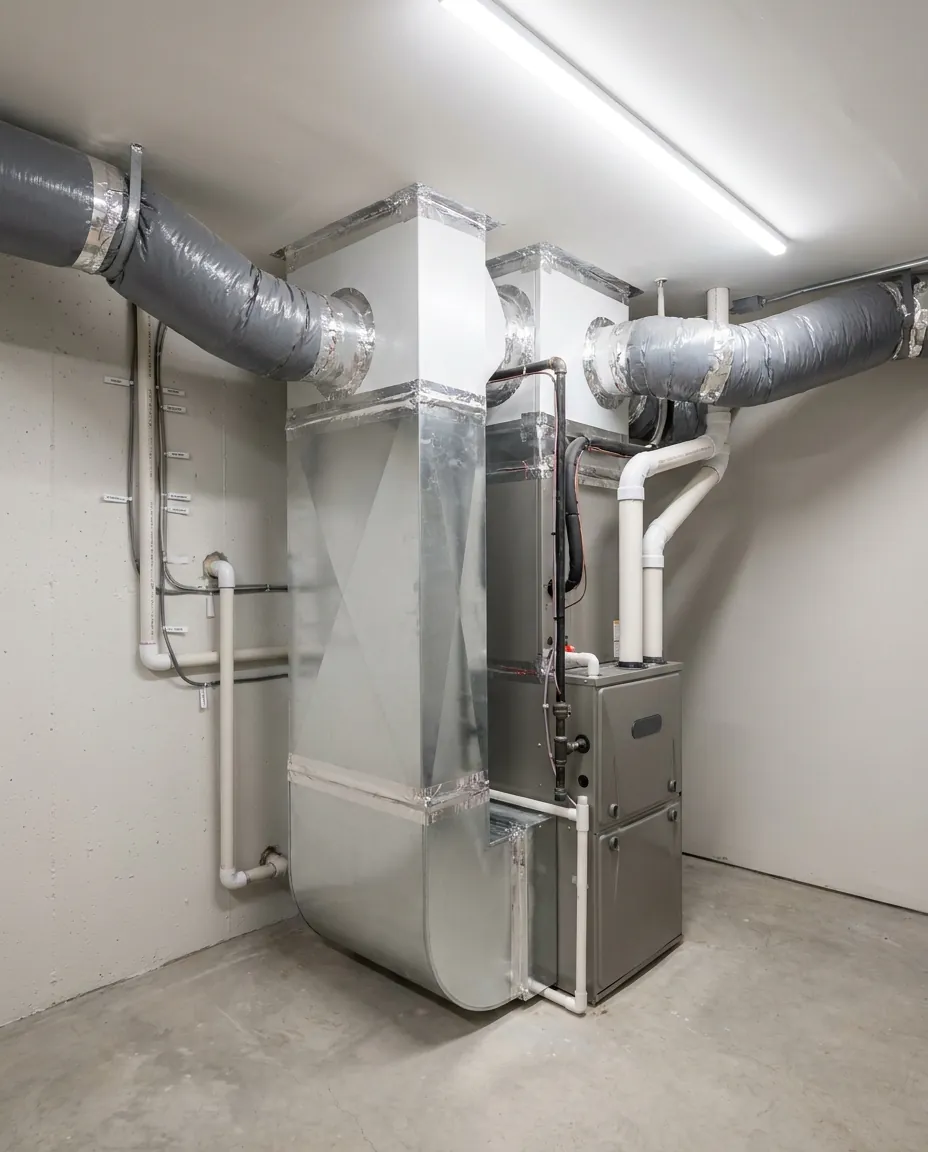
That's short cycling. The system hits the thermostat before it has time to pull moisture out, so you get cold and clammy instead of comfortable.
Almost always ductwork and airflow, not the equipment. A new unit moves the same air through the same bad ducts and changes nothing.
Every start is wear. Oversized systems short cycle themselves into an early grave, and you pay for it twice.
Rough shares of a typical job. Ratios, not prices — yours will differ.
It's the industry-standard calculation that determines what size system your house actually needs. Contractors who ran one are glad you asked. Contractors who guessed change the subject.
A few questions about the job and your area. Under a minute, and no phone number gets sold.
Licensed, insured, five-plus years in HVAC. One company per area — not a list of five.
They look at the actual job and give you a number you can read line by line. You decide.
Same house, same angle. This is the standard every contractor in the network is held to.
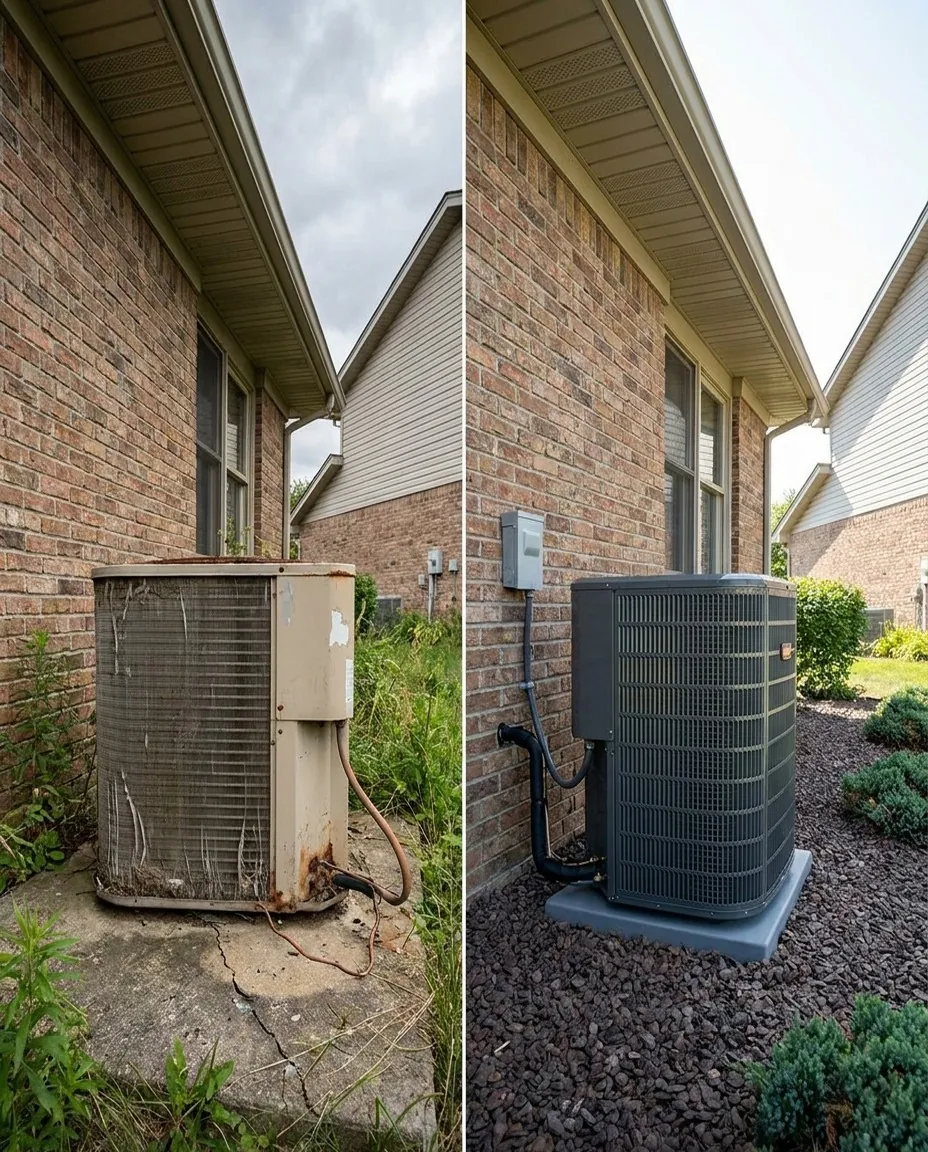
Most systems run 15–20 years. At 15 it isn't broken — it's on notice. That's the point to get a quote so a failure doesn't force an emergency purchase.
No. Oversized equipment cools worse. It satisfies the thermostat before dehumidifying, leaving the house cold and clammy, and short cycles itself toward early failure.
No. Your system was balanced for the whole house. Closing vents raises static pressure, pushes more air out through duct leaks, and strains the blower.
Usually not on its own. Room-to-room differences are a delivery problem — duct sizing, leakage or balancing. Fix airflow first.
No lead selling. No five companies calling you at dinner. One contractor, one conversation.